

 Image 1 of 1
30-minute sessions age 0-18 tailored to individual child and adolescent’s needs.
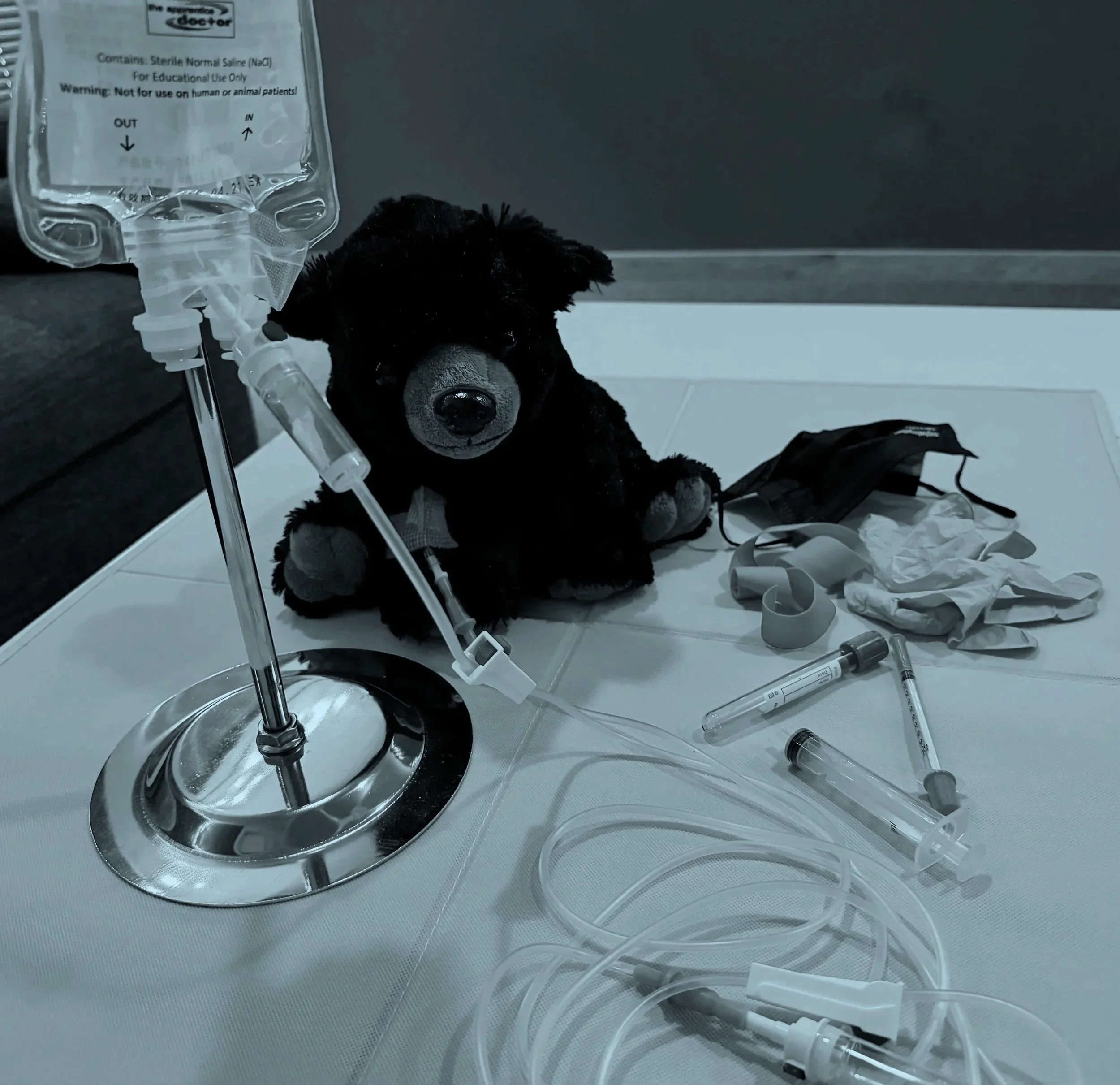
This is one-on-one individualized child life preparation for surgery and preparation. Specific surgery or procedure examples include vaccinations, blood draws, IVs, VCUGS, MRIs, various surgeries, individualized preparation. Developmental level, past medical history and experiences are considered when making support plan. Pictures, medical play, preparation book and coping plan are incorporated for future procedure.
Interventions are chosen and adapted based on developmental level, interests, experiences and treatment goals. Education, age‑appropriate explanations and practical coping skills are integrated. Developmentally appropriate preparation and explanation for medical procedures reduces fear and increases understanding
What to expect:
Individualized preparation plan with booklet
Developmentally appropriate medical play
Coping skills practiced in office to utilize at home and during procedure and pre surgery
Expansive session may be needed depended on past experiences and fears
Potential Benefits:
Avoid future medical trauma
Increased confidence and preparation for procedure, surgery and environment
Normalization of medical supplies and tools
Developmentally appropriate understanding of surgery and procedure
Validation and normalization of feelings
Utilization of knowledge and coping skills while in phobia environments and events
Increased coping and utilization of coping skills in various environments and situations
Post procedural session can be supportive of overall coping and decrease medical trauma.
Child life therapy is strongly advocated for by the American Academy of Pediatrics (AAP) as an essential component of pediatric support and as the standard of care to reduce anxiety and pain through developmentally supportive ways. Other research finds child life preparation increases predictability, understanding, and expectations supports children's and families' abilities to cope with hospitalization, and that preparing children and families for procedures reduces pre-procedural anxiety and improves post-procedural emotions.
30-minute sessions age 0-18 tailored to individual child and adolescent’s needs.
This is one-on-one individualized child life preparation for surgery and preparation. Specific surgery or procedure examples include vaccinations, blood draws, IVs, VCUGS, MRIs, various surgeries, individualized preparation. Developmental level, past medical history and experiences are considered when making support plan. Pictures, medical play, preparation book and coping plan are incorporated for future procedure.
Interventions are chosen and adapted based on developmental level, interests, experiences and treatment goals. Education, age‑appropriate explanations and practical coping skills are integrated. Developmentally appropriate preparation and explanation for medical procedures reduces fear and increases understanding
What to expect:
Individualized preparation plan with booklet
Developmentally appropriate medical play
Coping skills practiced in office to utilize at home and during procedure and pre surgery
Expansive session may be needed depended on past experiences and fears
Potential Benefits:
Avoid future medical trauma
Increased confidence and preparation for procedure, surgery and environment
Normalization of medical supplies and tools
Developmentally appropriate understanding of surgery and procedure
Validation and normalization of feelings
Utilization of knowledge and coping skills while in phobia environments and events
Increased coping and utilization of coping skills in various environments and situations
Post procedural session can be supportive of overall coping and decrease medical trauma.
Child life therapy is strongly advocated for by the American Academy of Pediatrics (AAP) as an essential component of pediatric support and as the standard of care to reduce anxiety and pain through developmentally supportive ways. Other research finds child life preparation increases predictability, understanding, and expectations supports children's and families' abilities to cope with hospitalization, and that preparing children and families for procedures reduces pre-procedural anxiety and improves post-procedural emotions.