

 Image 1 of 1
50-minute sessions tailored to individual child and adolescent’s needs.
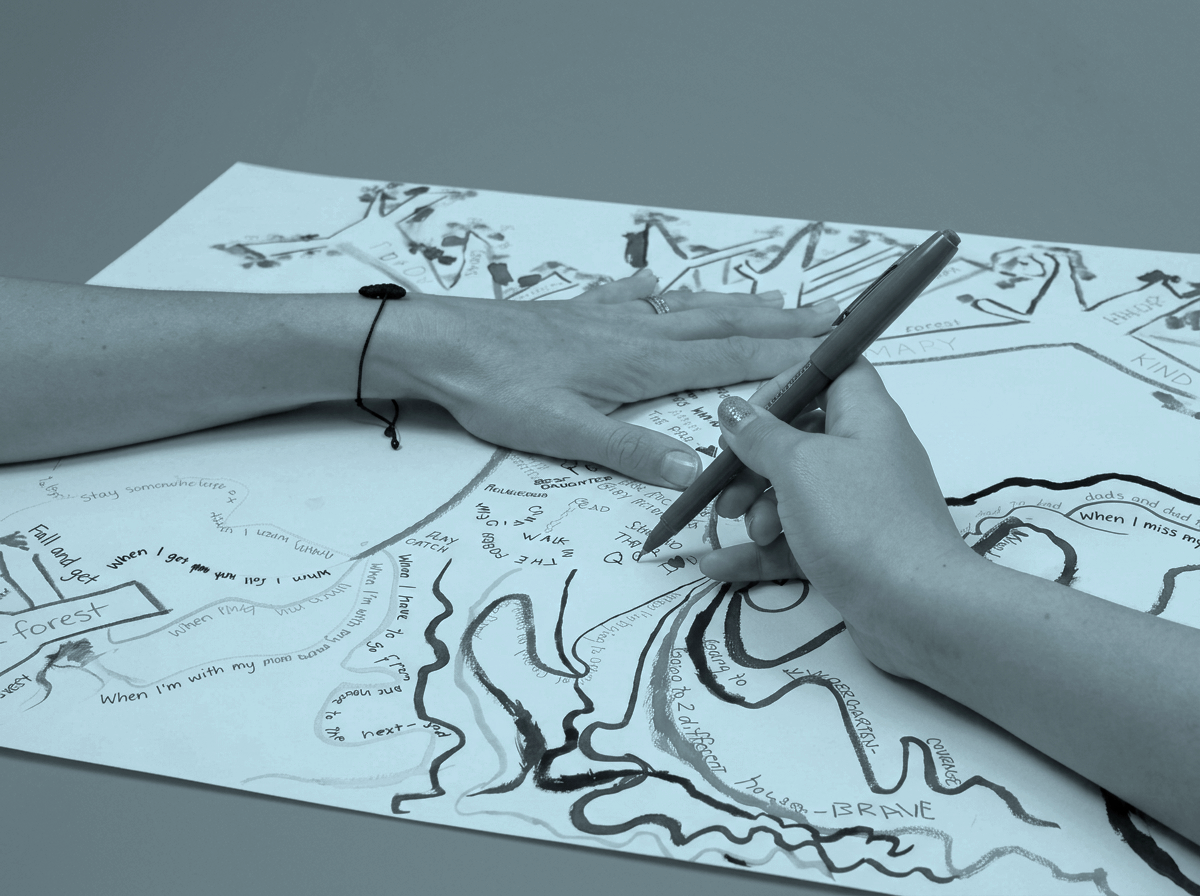
Each session may begin with nervous system regulation to release tension and support a calm, regulated state. From there, individualized creative interventions support processing overwhelming experiences, making sense of stress responses, and building resilience and practical coping skills. Interventions are chosen and adapted based on developmental level, interests, experiences and treatment goals.
Education is integrated throughout treatment. Age‑appropriate explanations about the brain, stress, trauma and how the body responds supports understanding reactions and feel empowered. When relevant, developmentally appropriate preparation and explanation for diagnoses and medical procedures is utilized to reduce fear and increase understanding.
Examples of Support: Grief and loss, Medical diagnoses, treatment and procedures, medical fears and phobias, acute and chronic trauma, family changes, including divorce, natural disasters and community trauma, school-related stress, peer challenges, and academic anxieties and other stressful life events.
What to expect:
Session can begin deregulation of the nervous system
Individualized creative interventions focused on specific need
Interventions may be multi session dependent or change from session to session
Each intervention ends with coping skill to utilize during life events and environments and to practice at home
Potential Benefits:
Increased coping and utilization of coping skills in various environments and situations
Brain body connection and understanding
Developmentally appropriate understanding of trauma, grief, and diagnosis
Validation and normalization of feelings
Increase in emotional vocabulary
Process traumas and finding meaning
Legacy building
Utilization of knowledge and coping skills while in phobia environments and events
Mindful skills and self‑regulation strategies are taught and practiced in session to support coping with day‑to‑day challenges and larger stressors. Progress is reviewed regularly so treatment stays focused, measurable and responsive to each child’s evolving needs.
Child life therapy is strongly advocated for by the American Academy of Pediatrics (AAP) as an essential component of pediatric support and as the standard of care to reduce anxiety and pain through developmentally supportive ways.
50-minute sessions tailored to individual child and adolescent’s needs.
Each session may begin with nervous system regulation to release tension and support a calm, regulated state. From there, individualized creative interventions support processing overwhelming experiences, making sense of stress responses, and building resilience and practical coping skills. Interventions are chosen and adapted based on developmental level, interests, experiences and treatment goals.
Education is integrated throughout treatment. Age‑appropriate explanations about the brain, stress, trauma and how the body responds supports understanding reactions and feel empowered. When relevant, developmentally appropriate preparation and explanation for diagnoses and medical procedures is utilized to reduce fear and increase understanding.
Examples of Support: Grief and loss, Medical diagnoses, treatment and procedures, medical fears and phobias, acute and chronic trauma, family changes, including divorce, natural disasters and community trauma, school-related stress, peer challenges, and academic anxieties and other stressful life events.
What to expect:
Session can begin deregulation of the nervous system
Individualized creative interventions focused on specific need
Interventions may be multi session dependent or change from session to session
Each intervention ends with coping skill to utilize during life events and environments and to practice at home
Potential Benefits:
Increased coping and utilization of coping skills in various environments and situations
Brain body connection and understanding
Developmentally appropriate understanding of trauma, grief, and diagnosis
Validation and normalization of feelings
Increase in emotional vocabulary
Process traumas and finding meaning
Legacy building
Utilization of knowledge and coping skills while in phobia environments and events
Mindful skills and self‑regulation strategies are taught and practiced in session to support coping with day‑to‑day challenges and larger stressors. Progress is reviewed regularly so treatment stays focused, measurable and responsive to each child’s evolving needs.
Child life therapy is strongly advocated for by the American Academy of Pediatrics (AAP) as an essential component of pediatric support and as the standard of care to reduce anxiety and pain through developmentally supportive ways.