
 Image 1 of 1
20–30 minute individualized sessions for infants, toddlers, children, teens, adults, and pregnancy and postpartum support
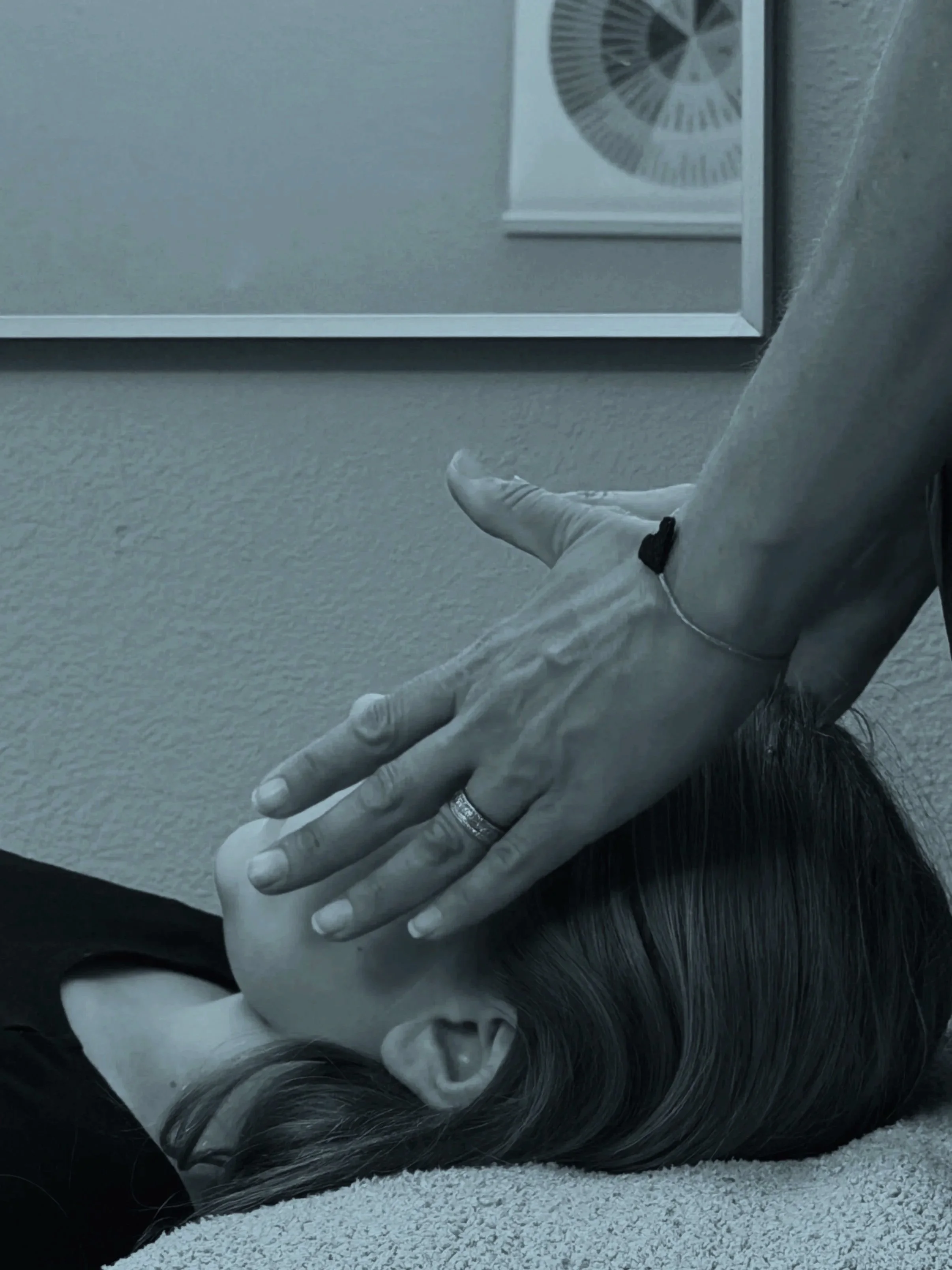
Dynamic Body Balancing (DBB) uses gentle, focused movements to unwind tension in the body and fascia and help bring the whole system back into balance. Tension, trauma and stress can linger long after the events that caused them. DBB offers a slow, gentle approach that helps the body integrate and release what it's holding, including stored emotions.
What to Expect
20–30 minute sessions tailored to each client's needs
Safe, gentle touch suited to infants, children, teens, adults, and pregnant and postpartum clients
A calming, restorative experience that supports a sense of connection and integration
Price dependent on age of client
Potential Benefits Reported
Less physical tension and easier movement
Improved emotional regulation and release of held stress
Relief from acute or chronic pain
A sense of "reset" or deep change after a session
Support for recovery from athletic injuries
Reduced inflammation after surgery, injury, pain
Support before surgery and during post-surgical recovery
Support during concussion recovery
Specialized care during pregnancy and postpartum recovery
Safety and Suitability
DBB is gentle and generally well suited to clients of all ages, from infants through adults, including during pregnancy and postpartum. Every session is individualized, and any medical concerns or reasons DBB may not be appropriate are discussed during intake to ensure safe care.
Contact us to learn how DBB can support you or your child, or to schedule an initial consultation.
Disclaimer: Dynamic Body Balancing supports nervous system regulation and physical well-being; it is not medical treatment. If you or your child is experiencing a medical or mental health emergency, call 911, your physician or another appropriate emergency service right away. It is not medical, psychological, psychiatric advice, diagnosis or treatment, and it is not a substitute for care from a licensed physician, therapist or other qualified healthcare provider. Every child and family is unique, so approaches and outcomes vary and should be discussed individually.